

PKP Welcomes Urooj Nizami as Community Engagement and Outreach Librarian
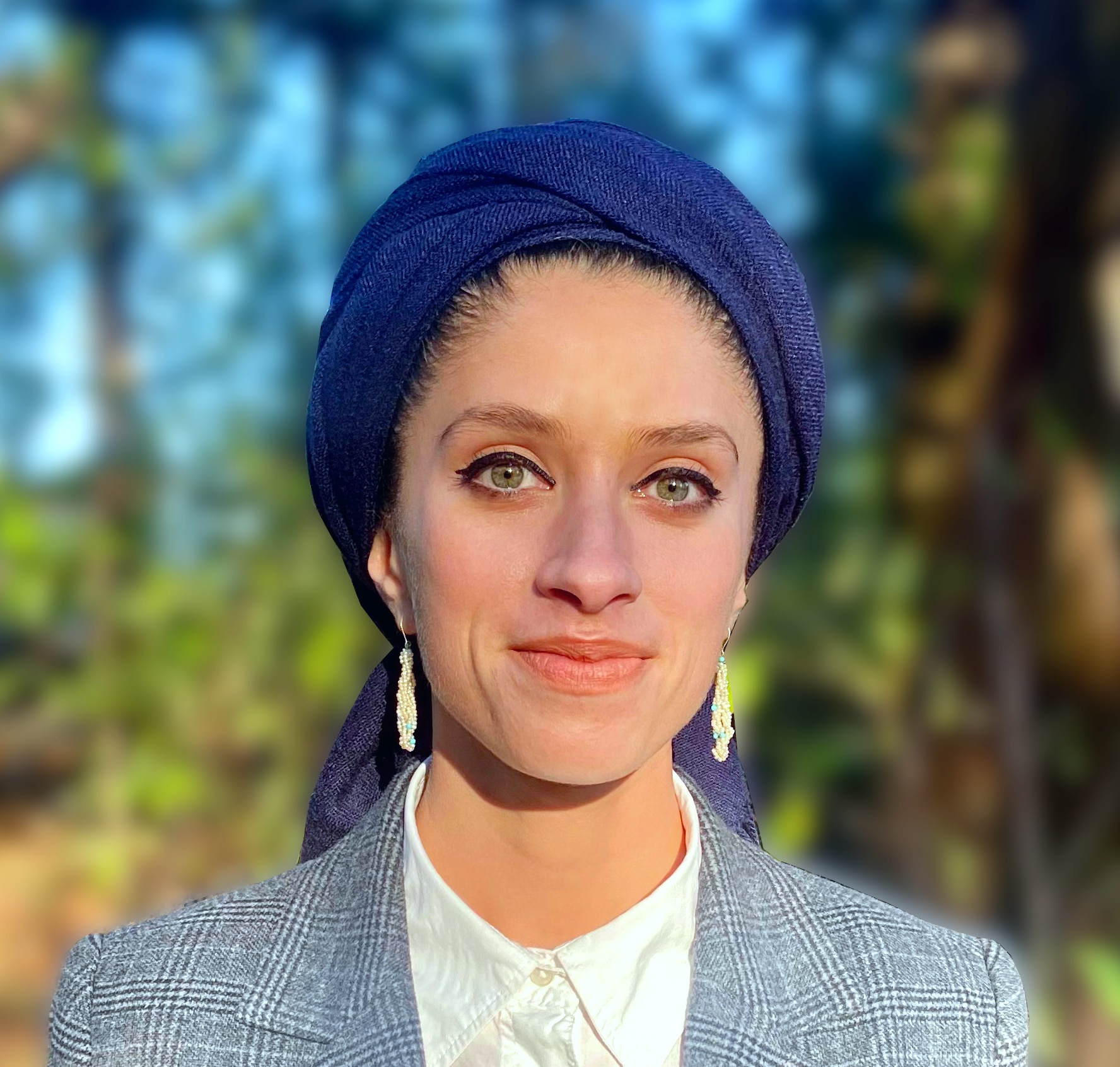
Just before the recent launch of PKP’s new website and 25th anniversary campaign, the team celebrated the arrival of Urooj Nizami, who is responsible for forging and strengthening relationships as well as facilitating community engagement.
Urooj has already made a major impact to the website, which now includes a Community Page outlining the global nature of the community, PKP’s membership model, and strategic partnerships. The following is an interview with Urooj, highlighting her role, as well as her views on open access, libraries, and publishing.
Welcome to PKP! Can you tell us a bit about yourself?
I’m a trained librarian and thus far in my career have worked in the field of Open Education. My professional work has also been shaped by my graduate degree in religion that focused on Islamic epistemologies as a challenge to normative western ways of knowing toward expansive and inclusive decolonial knowledge work.
I’m pleased that in recent years these scholarly and personal interests have been intersecting more and more. But at my core, I’m just an East Coast kid trying to make sense of West Coast weather, environment (built and natural), and culture.
How did you learn about PKP, and what was it that attracted you to the role ?
My introduction to PKP and its flagship infrastructure—Open Journal Systems—came in library school. My practicum supervisors, recognizing my involvement and interest in grassroots student publishing, introduced me to the open access and open-source landscape.
I worked with my supervisors on a project exploring partnerships between librarians and student-driven journals. The focus was on the librarian-student relationship and how platforms like OJS provide opportunities for pedagogical engagement around open access issues and the publication lifecycle early in a student-scholar’s career.
My interest in this position stems from a desire to critically and strategically respond to emergent needs in the open publishing community. For me, this includes how to promote public and open infrastructures and how to develop community-based, progressive economic models towards increasing the quality and reach of scholarly research.
Can you tell us more about your role with community engagement and outreach?
As Community Engagement and Outreach Librarian, I’m tasked with further developing our membership program by strengthening ties to our community and forging new relationships with our robust, diverse, global community. My work will also involve facilitating PKP’s popular avenues for community engagement including the PKP School and Documentation Hub.
What does being a Community Engagement and Outreach Librarian mean to you?
I’m heartened to work with an organization that has an expansive view of the community we serve: anyone who benefits from access to knowledge production that is enabled through PKP’s suite of open-source software.
This capacious view presents a set of challenges, but I remain excited by the opportunities borne out of these very same challenges. I hope to take on this work with a purposeful eye on how to facilitate new engagements between PKP and the community, especially in how to have the wider user community shape governance.
What do you hope to accomplish or bring to your role during your time here?
I strive to take a dynamic approach to my community engagement and outreach efforts, to be in conversation with diverse constituents, responding to their needs as they arise. I endeavour to do this work respecting the collaborative strength of open-source communities and a sensitivity to not exploit the generosity and labour of contributors. I’ll take this same approach to recognizing the diverse capacities of our worldwide community.
What is your view of libraries as a source of scholarly publishing?
To me libraries, and librarians specifically, have the expertise and orientation to make cogent critiques of the commodification of information, including scholarly publishing. The idea of publishing taking place from this critical marginal space feels productive and positive.
Why do open access and library involvement in publishing matter to you?
My worldview is very much one that seeks to ensure that research, scholarship and higher education resist commodification and exist squarely to serve the public good. The open access movement, in large part championed by libraries, is one critical movement targeting the insularity of the academic institution vis-à-vis the communities where we find ourselves toward improved distribution of knowledge.
What would you say to any young and aspiring people hoping to be in your field?
I think that librarianship and libraries remain vital as we move more and more into a digital and information-saturated world. For young people interested in public commons and public-control over information, media, access, and so forth, working in the field can be exciting.
I wound up entering the field because of an interest in these tough questions, but also with a practical need to situate myself in a place where I could support myself in continuing to think with and address these questions in my work. Simply, I’d say there are many paths that lead to librarianship, many are non-linear.
—